Bid-Ask Spread Explained: The Hidden Cost Every Futures Trader Pays
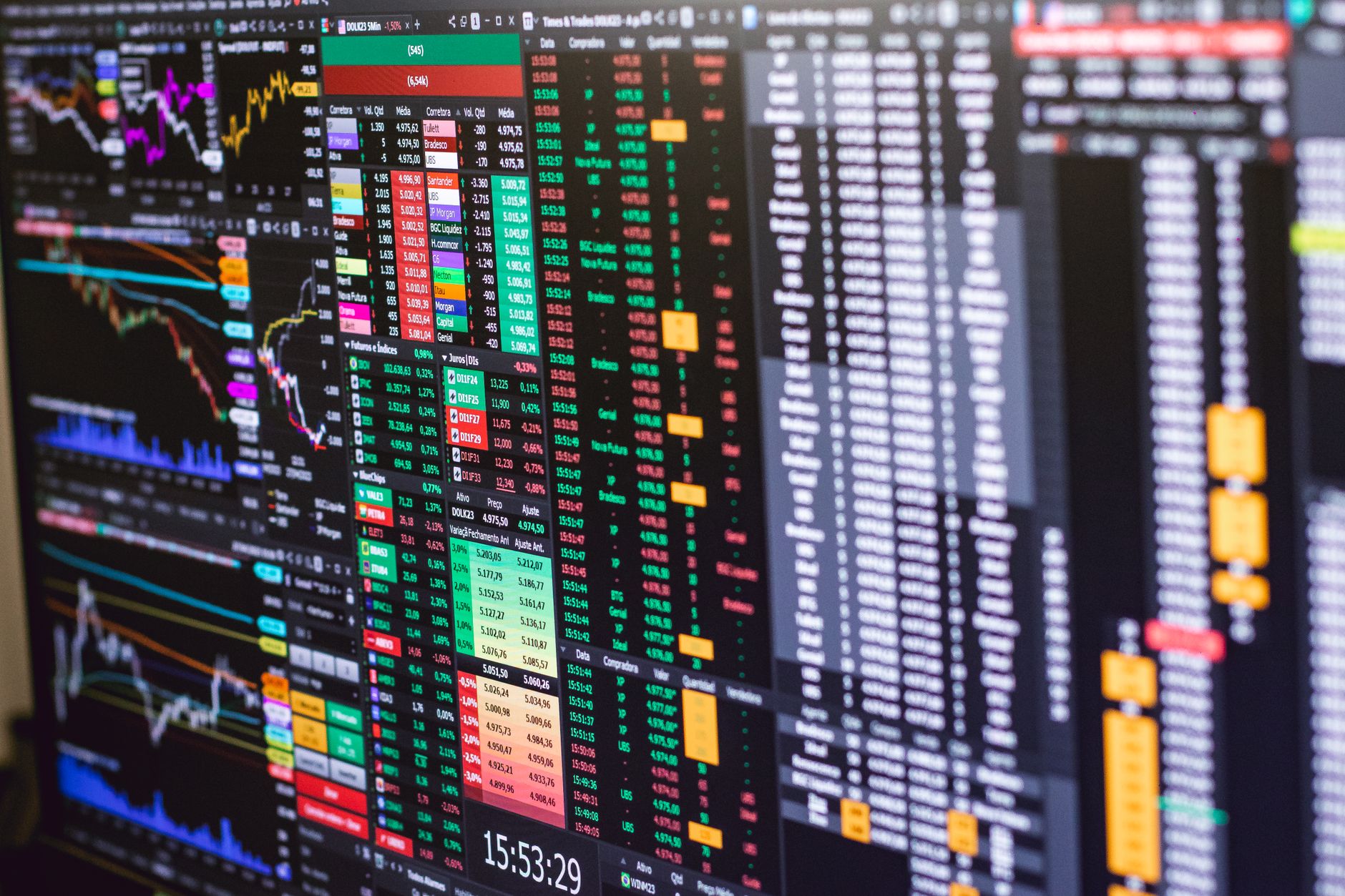
Most explainers describe the bid-ask spread as a fixed, almost cosmetic detail — "the difference between what buyers offer and sellers ask" — then move on. That framing is why so many new futures traders get surprised by how much the spread actually bites. The spread isn't a flat tax you pay once. It's a variable cost that can be invisible 90% of the time and brutal the other 10%, and the size of that variance is the part almost nobody puts a number on.
What the Spread Actually Is, in Dollars
On the E-mini S&P 500 (ES), the tick size is 0.25 index points, worth $12.50 per contract. During Regular Trading Hours, CME market microstructure data shows the top-of-book spread sits at that minimum 1-tick increment roughly 85-90% of the time — meaning the market is usually about as tight as it can mechanically be. That 1-tick spread costs you $12.50 per round trip per contract if you're crossing the spread with market orders (buying at the ask, selling at the bid). Trade 10 contracts, 5 times a day, and that's $625/day in pure spread cost before commissions, before slippage, before you've made a single directional decision. Scale that to 250 trading days and you're over $150,000/year in spread cost alone on a position size that isn't even large by prop-firm standards. That number gets buried in most spread-explained articles because they talk in abstract pips or points, not in what it costs on your actual size.
The Overnight Trap
The number that almost never makes it into beginner content: that tight 1-tick ES spread widens to 2-4 ticks (0.75-1.00+ points) during Electronic Trading Hours overnight, when market maker participation drops off. That's a 300-400% increase in your execution cost for the exact same trade, just because you placed it at 2am ET instead of 10am ET. If you're running an automated system that doesn't account for session-based spread patterns, CME research suggests you can bleed 2-5 extra ticks per round trip in unnecessary cost — on ES that's $25-$62.50 per contract, per trade, just from bad timing. I've seen backtests that look great on daily bars completely fall apart once you force every fill through session-appropriate spread assumptions, because the backtest assumed RTH-tight fills on trades that would have actually executed overnight.
Scheduled News Spikes the Spread Before It Snaps Back
Spreads don't just widen gradually around illiquid hours — they spike violently and briefly around scheduled catalysts. FOMC at 2:00pm ET and Non-Farm Payrolls at 8:30am ET are the two biggest offenders, with spreads reported to jump 200-500% in the seconds surrounding release before compressing back to normal within moments. If you have a resting market order or a stop that triggers into that window, you are not paying the quoted pre-release spread. You're paying whatever price exists in that half-second vacuum, which on a volatile print can easily be 3-6x your normal cost. This is the single biggest reason stop-loss-got-blown-through-the-level complaints cluster around economic release times — it's not that the stop level was wrong, it's that liquidity evaporated at the exact moment it got tested.
Why the Spread Exists at All (and Why It's Not a Conspiracy)
A common oversimplification treats the spread as something market makers impose arbitrarily to extract retail money. That's not quite right. Market makers — the liquidity providers posting those continuous two-sided quotes — get compensated for two real risks: inventory risk (holding a position they didn't want, waiting to offload it) and adverse selection risk (the person trading against them might simply know something they don't). Those two risks are also why transaction costs aren't uniform across contracts: thinly traded instruments have fewer liquidity providers willing to post size, so the baseline spread is wider before any news event or overnight effect even applies. The spread is the price of that risk, and it expands exactly when that risk goes up — thin books, news events, overnight hours with fewer market makers active. Understanding this reframes the spread from a tax into a real-time risk gauge. When spreads blow out, it's not bad luck, it's the market telling you liquidity providers are scared to commit capital right now, which is itself useful information about whether you should be trading that instrument at that moment.
How to Actually Reduce What You Pay
Three things move the needle more than anything else: trade during the liquidity windows (9:30-11:30am and 1:00-3:00pm ET for ES specifically, per CME data), use limit orders instead of market orders whenever your strategy allows it (you capture the spread instead of paying it, at the cost of execution certainty), and build spread cost into your backtest assumptions by session rather than using a single blended average. A strategy backtested with a flat 1-tick assumption across all 24 hours is quietly assuming liquidity that doesn't exist for a third of the trading day. On lower-volume contracts — micro futures, less-popular commodity contracts, even NQ relative to ES — the baseline spread is wider to begin with, so the same overnight and news-event multipliers apply on top of an already higher starting cost. If you're trading size, request a market depth ladder before you execute, not just the top-of-book quote; the real cost of your fill is a function of how much size sits behind that best bid/ask, not just the headline spread number.
The Bottom Line
The bid-ask spread is the most predictable cost in trading because it follows session liquidity patterns almost mechanically, yet it's the cost most new traders never actually calculate. If you know your contract's typical RTH spread, its overnight multiplier, and which 30-minute windows around scheduled releases to avoid resting orders in, you've already eliminated most of the unnecessary portion of this cost. The rest is simply the price of accessing liquidity on demand — and that price is real, it compounds across hundreds of trades a year, and no strategy evaluation is honest without it baked in.